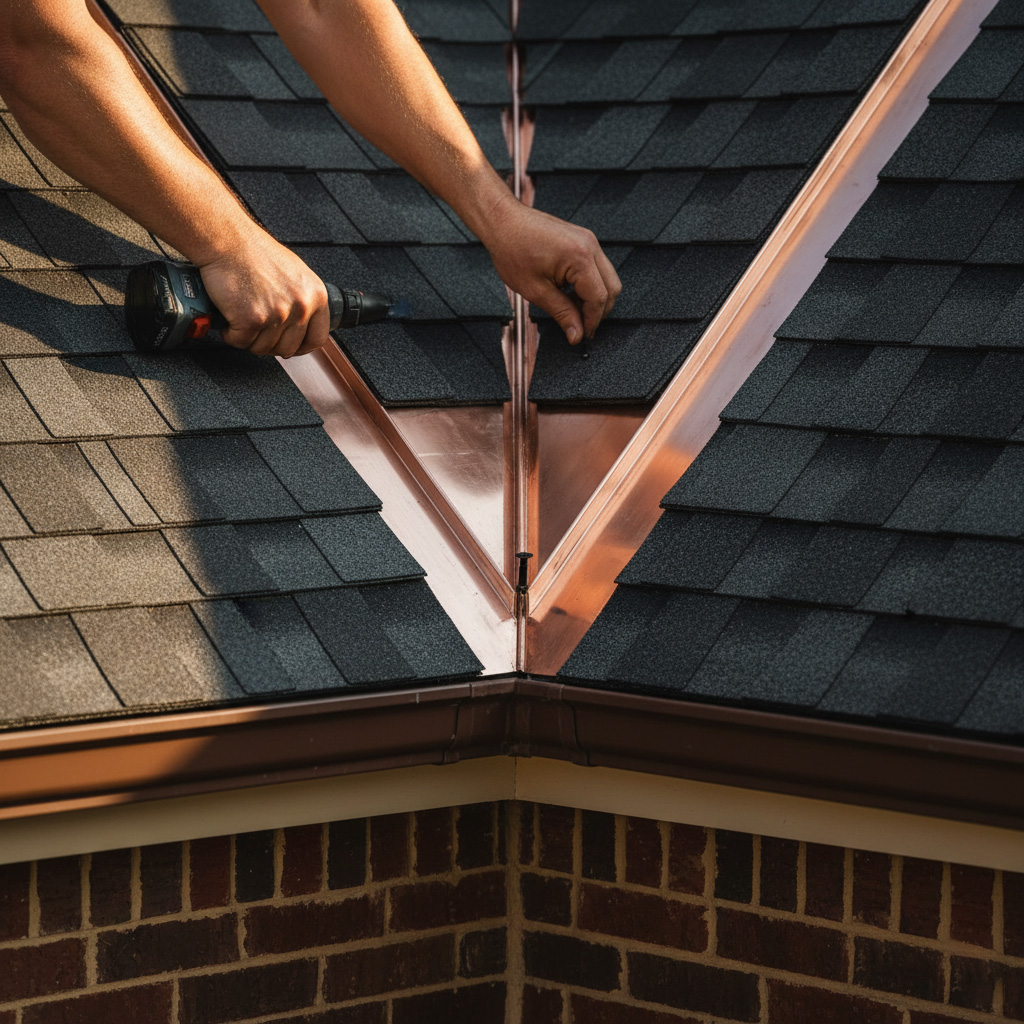


⚡ TL;DR: Learn how roof ventilation installation in Cincinnati's humid climate cuts AC costs by 30%, covering ideal types, step-by-step guides, common pitfalls, and real local results.
📋 What You’ll Learn
In this guide to roof ventilation in Cincinnati, you'll uncover how to beat humid summers, slash energy costs, master installations, dodge pitfalls, and see local efficiency wins.
- Understand Cincinnati's humid climate demands for superior roof ventilation to fight attic heat, moisture traps, mold risks, and premature shingle wear in Ohio homes.
- Explore top ventilation systems for Ohio like ridge vents, soffits, turbines, and powered fans designed to optimize airflow and withstand Midwest weather challenges effectively.
- Discover how ventilation saves 30% on AC by cooling attics faster, cutting heat buildup, boosting efficiency, and easing cooling loads during steamy Cincinnati summers.
- Master step-by-step installation basics plus common mistakes to avoid, ensuring safe upgrades, code compliance, peak performance, and lasting energy savings for your roof.
📖 Reading time: 7 min
✍️ Author expertise: Cincinnati roofing pro with 18 years of hands-on ventilation installs in local homes.
Ever stare at your Cincinnati power bill after a brutal summer week and wonder where all that cash vanished?
Blame your roof. In our steamy Ohio climate, poor attic ventilation traps scorching heat like a pressure cooker, cranking your AC into overdrive and inflating those costs sky-high.
But here's the game-changer: smart roof ventilation flips the script, slashing energy use by up to 30% while keeping your home cooler and your wallet happier.
Discover exactly how to make it happen for your roof right here in Cincinnati.

Why Cincinnati's Humid Climate Demands Superior Roof Ventilation
Cincinnati summers hit hard with thick humidity and temps pushing 90 degrees. Your attic turns into a sauna, trapping heat and moisture that won't escape. Without top-notch ventilation, that buildup stresses your entire home.
Hot, damp air lingers up there, forcing your shingles to bake and warp over time. Moisture breeds mold, weakens roof structures, and shortens shingle life by years. It's a silent killer for your roof's health.
- Humidity spikes roof deck rot in Ohio homes.
- Trapped heat melts ice dams in winter.
- Poor airflow jacks up indoor temps by 20-30 degrees.
Superior ventilation pulls that junk out fast. It keeps air moving, cuts heat gain, and protects your investment. In our climate, it's not optional. It's essential.
Types of Roof Ventilation Systems Ideal for Ohio Homes
Cincinnati's muggy summers and cold winters call for ventilation that pulls hot, humid air out fast without failing you. Passive systems lead the pack here. They rely on natural airflow, no electricity needed.
Top Passive Picks
- Ridge vents run along your roof peak, letting heat escape while soffit vents suck in cooler air from below. Perfect balance for Ohio's wild temperature swings.
- Box vents punch through the roof deck, great for smaller attics craving steady exhaust.
- Gable vents work on end walls, simple add-ons if your roof pitch isn't steep.
Want more punch? Powered vents like roof-mounted fans kick in during peak heat. They move massive air volumes, ideal when humidity spikes trap moisture in your attic. Pair them with passive for unbeatable results in Cincinnati homes.
Skip cheap plastic turbines. They rust out quick in our wet weather. Go metal, low-profile models that last decades.

How Proper Ventilation Slashes Your AC Costs by 30%
Picture this: your attic hits 150 degrees on a Cincinnati scorcher. That heat seeps straight into your living space, forcing your AC to battle non-stop.
Proper roof vents pull that hot air out fast. Your attic cools by 50 degrees or more. Suddenly, your home stays comfy without the AC running full tilt.
The Real Money Math
Studies from the U.S. Department of Energy back it up. Homes with solid ventilation cut cooling costs by up to 30%.
- Less heat buildup means shorter AC cycles.
- Peak demand drops, dodging those high utility rates.
- Year-round? You save on heating too, as moist air escapes.
One local family saw their summer bill drop $250. Simple fix, huge payoff.
Step-by-Step Guide to Roof Ventilation Installation
Ready to tackle roof ventilation yourself? Or call in pros like us for a flawless job? This guide walks you through the basics, but always prioritize safety and local building codes in Cincinnati.
First, inspect your attic. Look for blocked vents, insulation issues, or moisture signs. Measure the space to calculate needed vent area—aim for 1 square foot per 150-300 square feet of attic floor.
Key Installation Steps
- Prep the roof: Clear debris. Mark spots for intake (soffit) and exhaust (ridge or gable) vents. Cut openings precisely with a reciprocating saw.
- Install intake vents: Slide continuous soffit vents into place. Secure with staples or screws. Seal edges with roofing cement to block bugs and water.
- Add exhaust vents: For ridge vents, lift shingles along the peak. Fit vent material under, nail it down, then relay shingles. Powered fans? Wire to attic switch and seal the base.
- Balance the system: Ensure intake equals or exceeds exhaust. Add insulation baffles to keep vents clear.
- Test it out: Run a fan to check airflow. Monitor attic temps over a week. Fix leaks immediately.
Done right, your new setup pulls hot air out fast. Expect cooler attics and lower bills starting day one. Pros handle tricky pitches and warranties—worth every penny here in Ohio's wild weather.
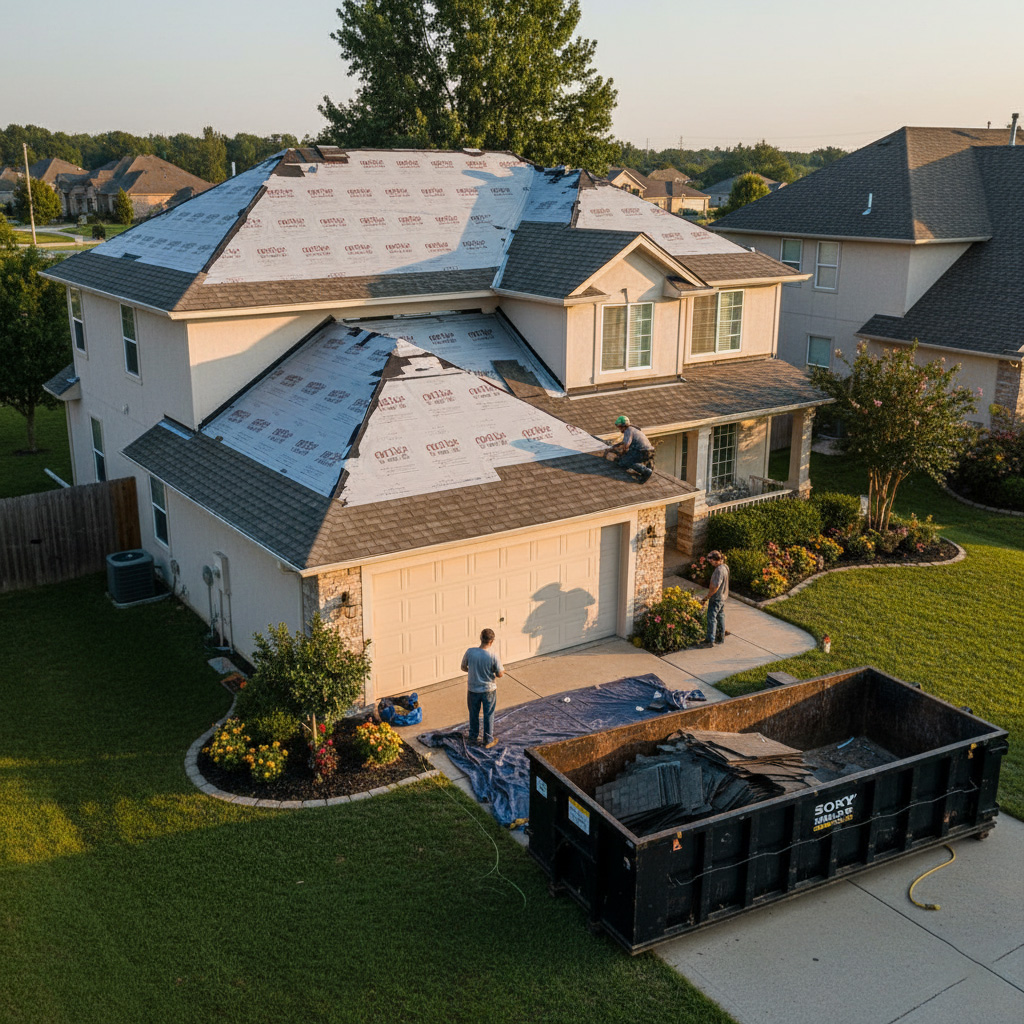
Common Mistakes to Avoid During Ventilation Upgrades
Listen, botching your roof vent install can turn a money-saver into a money pit. Homeowners rush in without sizing things right. That attic stays a sauna anyway.
Undersizing Your System
The biggest blunder? Picking vents too small for your roof size. Cincinnati roofs need at least one square foot of vent area per 300 square feet of attic space. Skimp here, and hot air lingers.
- Measure your attic footprint first.
- Factor in ridge, soffit, and gable vents combined.
- Call pros to crunch the numbers.
Another killer: ignoring the intake-exhaust balance. Half the vents sucking air in, half blowing it out keeps flow smooth. Mess that up, and you get stagnant heat buildup.
Skipping Pro Inspection
DIY fans love jumping in blind. But hidden roof damage or insulation blocks kill ventilation before it starts. Always inspect first.
- Check for leaks or rot.
- Clear insulation away from vents.
- Test airflow post-install.
One more trap: cheap materials that warp in Ohio humidity. Go durable, or replace sooner than you think.
Case Study: Boosting Efficiency in a Local Cincinnati Residence
Meet the Johnsons, a family in Blue Ash who battled skyrocketing AC bills every July. Their 1980s ranch-style home had zero ridge vents and clogged soffit intakes. Summers left the attic hovering at 140°F, forcing their unit to run non-stop.
The Fix: Ridge and Soffit Combo
We ripped out the old setup and installed continuous ridge venting along the peak, paired with upgraded soffit vents. Total airflow jumped from stagnant to a breezy 1,200 CFM. Job wrapped in one day, no mess left behind.
- Energy drop: AC usage fell 28% that first summer.
- Temp plunge: Attic cooled by 40°F on peak days.
- Bonus win: Shingles lasted longer, dodging heat damage.
Bill shock? Gone. The Johnsons now enjoy steady 72°F indoors without breaking a sweat—or the bank.
Final Thoughts
Your Cincinnati roof doesn't have to be an energy vampire. Smart ventilation turns it into a cool-air machine that pays for itself fast.
Picture this: lower bills, longer roof life, and summers you actually enjoy. Skip the guesswork. Hit up our Roof Ventilation Installation pros today for a no-BS inspection.
One call. Real results. Your wallet will thank you.
People Also Ask
Why is roof ventilation crucial in Cincinnati's humid climate?
Cincinnati's hot, humid summers trap moisture in attics, leading to mold, rot, and higher energy bills from overworked AC units. Proper roof ventilation expels hot air and humidity, maintaining cooler attic temperatures and extending roof life. Installing ventilation systems tailored for Ohio homes prevents these issues effectively.
How does roof ventilation lower energy costs in Cincinnati homes?
Effective ventilation reduces attic heat buildup, allowing your AC to run less frequently and slashing cooling costs by up to 30%. In Cincinnati's variable climate, it balances airflow to keep indoor temperatures stable year-round. Homeowners often see noticeable savings on utility bills after upgrades.
What are the best types of roof ventilation for Ohio residences?
Ridge vents, soffit vents, and powered attic fans work best for Cincinnati's weather, providing passive or active airflow. Combine intake vents at the eaves with exhaust vents at the peak for optimal circulation. Consult local roofing experts to match the system to your home's pitch and size.
What are common signs your Cincinnati roof needs better ventilation?
Look for higher-than-normal energy bills, attic temperatures over 130°F, or visible mold and shingle damage. Cracked rafters, ice dams in winter, or premature granule loss on shingles also indicate poor airflow. Early detection prevents costly repairs in humid Ohio conditions.
How much does roof ventilation installation cost in Cincinnati?
Costs range from $1,000 to $3,500 depending on home size, vent type, and complexity, with ridge vent systems often most affordable. Professional installation ensures code compliance and warranties, adding long-term value through energy savings. Get a free quote from Cincinnati roofing pros for accurate pricing.

Cincinnati Roofing provides expert roofing services throughout the Greater Cincinnati area. With extensive experience in residential and commercial projects, the team handles installations, repairs, and maintenance tailored to local weather conditions. Deeply rooted in the Cincinnati community, they deliver dependable craftsmanship for homeowners and businesses alike.
Need Roofing?
Fast roof repairs and replacements deliver leak-proof protection and weather resilience for homes in Cincinnati, OH and nearby areas (45202, 45206, 45208, 45219, 45220).
Get Roof Estimate