


⚡ TL;DR: This checklist guides Cincinnati homeowners through safe DIY roof inspections, from ground checks and attic scans to addressing local ice dams, hail, and humidity risks.
📋 What You’ll Learn
In this Roof Inspection Checklist for Cincinnati Homes, you’ll master DIY steps, spot local weather damage, ensure safety, and learn from real case studies to protect your roof year-round.
- Gear up with essential tools and safety prep for effective DIY inspections, avoiding common hazards like slips while gathering binoculars, ladders, and checklists tailored for Cincinnati roofs.
- Conduct a ground-level exterior walkaround to identify early signs of wear, sagging, or debris buildup from Ohio storms before climbing for a closer, safer evaluation.
- Examine shingles, flashing, and chimneys closely for cracks, missing pieces, or poor seals that lead to leaks, using proven techniques honed on local asphalt and metal roofs.
- Inspect attic, ceilings, and walls inside for hidden water stains, insulation issues, or structural weaknesses signaling urgent roof repairs in humid Cincinnati climates.
- Tackle Cincinnati weather hotspots like ice dams and hail with targeted checks and a Hyde Park storm case study to prevent costly failures during brutal winters and summers.
📖 Reading time: 7 min
✍️ Author expertise: Cincinnati roofer with 15 years of hands-on inspections and repairs in local homes.
Ever wake up to water dripping from your bedroom ceiling after a Cincinnati downpour, cursing that sneaky roof leak that blindsided you?
Your roof battles humid summers, brutal winters, and those wild Midwest storms year-round, silently shielding your family until one day it doesn't.
Spot the red flags early with this no-nonsense checklist tailored for Cincinnati homes, and dodge repair bills that hit like a hailstorm.
Let's dive into the step-by-step inspection that keeps your roof rock-solid.
Essential Tools and Safety Prep for DIY Inspections
Grab these basics before you start. No fancy gear needed, just smart picks that make the job safer and sharper.
Tools That Get the Job Done
- Sturdy extension ladder: Pick one rated for your weight, with wide feet for wet Cincinnati grass.
- Binoculars or drone: Spot high issues without climbing every time.
- Flashlight and phone camera: Snap pics of cracks or wear for later review.
- Gloves and knee pads: Keep hands clean and knees happy on rough surfaces.
Safety trumps speed every time. One slip on a slick roof after rain, and you're calling us instead of spotting leaks.
Lock Down Safety Rules
- Check weather: Skip windy days or after ice storms.
- Wear non-slip boots and a harness if climbing.
- Work with a buddy: They yell if something's off.
- Know your limits: Ditch the roof if it's steep or damaged.
Step 1: Ground-Level Exterior Walkaround
Start here. No ladder needed yet. Grab your phone for pics and circle your house slowly.
Scan the entire roofline from the street and sides. Does it sag anywhere? That screams trouble like weakened trusses from years of Ohio freeze-thaw cycles.
- Missing or curling shingles: Count 'em. More than a handful means wind damage from those gusty Cincinnati squalls.
- Granule loss in gutters: Black grit signals asphalt shingles wearing thin fast.
- Overhanging branches: Rubbing spots invite rot, especially after humid summers.
- Downspouts clogged or pulling away: Poor drainage floods your foundation.
Spot moss or algae streaks? Common in our shady neighborhoods. They trap moisture and eat shingles alive.
Check fascia boards for rot or peeling paint. Water sneaks in there during heavy rains. Note everything, even if it looks minor.

Step 2: Close-Up Shingle, Flashing, and Chimney Check
Grab that sturdy ladder and climb up for the real detective work. Keep it safe: tie off, have a spotter, and inspect on a dry day. This is where you catch the killers before they punch through your wallet.
Start with the shingles. Look for bald spots where granules have washed off, exposing the asphalt underneath. Cracked, curled, or missing ones scream replacement time, especially after those Ohio wind blasts.
- Missing shingles? Count 'em. More than 10-15 means trouble brewing.
- Curling edges? Wind and heat did that. Poke gently; brittle ones snap easy.
- Soft or spongy spots? Water's already inside. Stop right there and call pros.
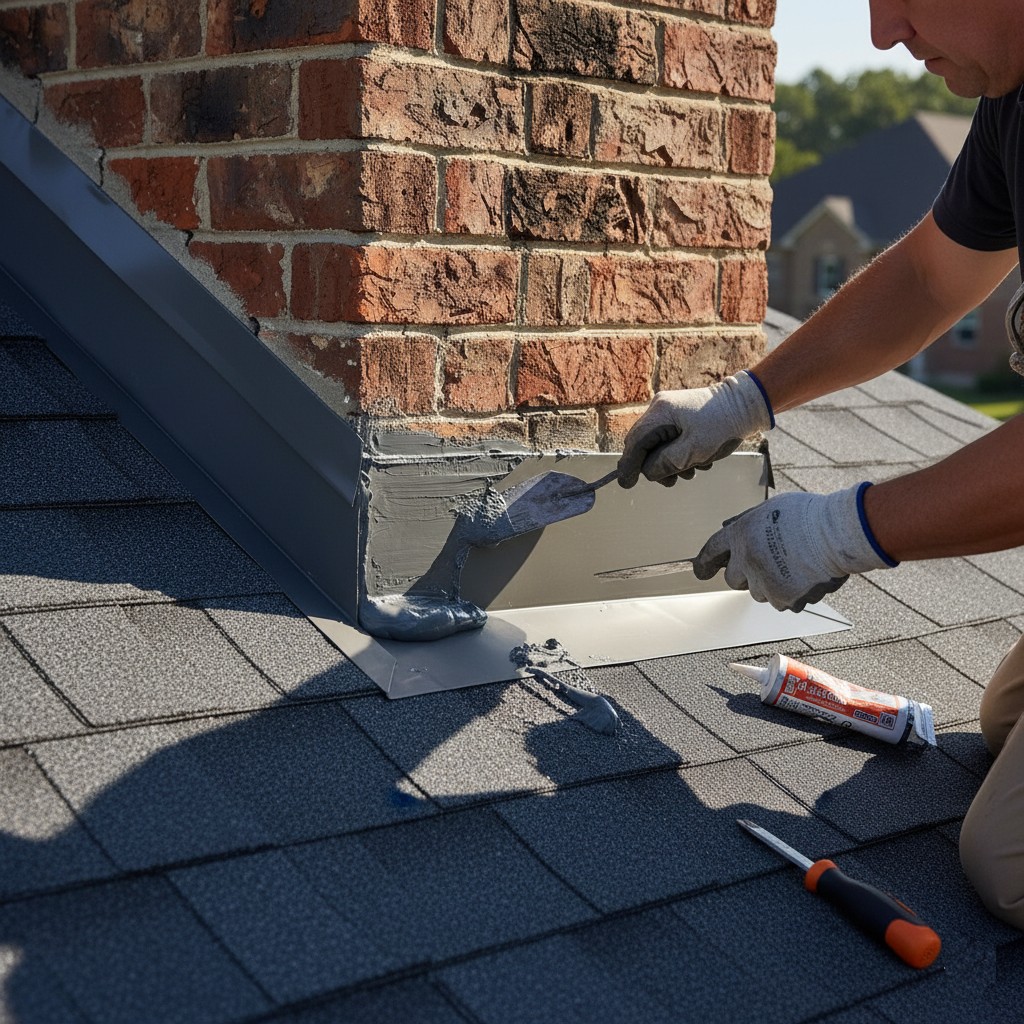
Next, zero in on flashing and chimney. These seals take the worst beatings from rain and ice. Rusty, loose, or gapped flashing around vents, valleys, and the chimney base lets water sneak in like a thief.
- Chimney cracks? Mortar crumbling signals big fixes ahead.
- Flashing lifted? Jam a thin tool underneath; if it moves, reseal now.
- Moss or algae growth? Humidity's gift. Scrape and kill it before rot sets in.
Step 4: Cincinnati Weather Hotspots – Ice Dams, Hail, and Humidity
Cincinnati's weather doesn't pull punches. Think ice-clogged gutters after a freeze-thaw frenzy, hail pummeling shingles during spring storms, or humidity turning your roof into a mold factory. Pinpoint these troublemakers now to stop small cracks from exploding into full-blown disasters.
Ice Dams: The Silent Roof Killer
Climb up (safely) and hunt for bulging ice ridges along the eaves. Peek inside for water stains or soggy insulation – classic signs your attic heat is melting snow too fast.
- Check gutters: Overflow or ice buildup screams poor ventilation.
- Probe soffits: Warm spots mean heat loss fueling the dam.
- Act fast: These beasts refreeze and wreck underlayment.
Hail Damage: Dents That Sneak Up
Scan shingles for bruises – those flat, dark spots where granules vanished. Run your hand over them; smooth patches mean hail stripped the armor.
Match hail size to damage: Golf ball-sized rocks leave craters you can't miss.
Humidity Havoc: Moss, Algae, and Rot
Look for black streaks or green fuzz on the north side – algae loves our steamy summers. Press on shingles; soft spots signal rot eating your roof from inside.
- Attic red flags: Musty smells, damp rafters, or bubbling paint.
- Fix it: Trim overhanging trees for airflow. Ignore this, and leaks follow.
Step 4: Cincinnati Weather Hotspots – Ice Dams, Hail, and Humidity
Cincinnati's weather throws curveballs that hammer your roof harder than most spots. Think ice dams clogging gutters in January freezes, hail pummeling shingles during spring storms, and summer humidity rotting everything in sight. Spot these culprits now, or watch small cracks turn into thousand-dollar nightmares.
Ice Dams: The Silent Winter Killer
Heavy snow melts on your warm roof, refreezes at the edges, and boom – water backs up under shingles. Check eaves and gutters for icicle buildup or crusty ice ridges. Pro tip: Feel for soft spots along the roofline; that's water sneaking in.
- Look for water stains on soffits or fascia boards.
- Probe gutters for ice chunks mid-thaw.
- Missing granules in valleys? Ice dragged them off.
Hail Damage: Dents You Can't Ignore
Those golf-ball hailstones from Midwest thunderstorms bruise shingles like a bad boxing match. Get binoculars and scan for dents, cracks, or missing chunks. Fresh hail leaves bluish-gray bruises that fade over time – inspect after every big storm.
Humidity hits different here. Muggy Ohio summers trap moisture in attics, breeding mold and wood rot. Peek for dark streaks on rafters or mushy insulation – your roof's begging for ventilation help.
Case Study: Rescuing a Hyde Park Roof After a Brutal Storm
Picture this: Mike in Hyde Park calls us frantic after a thunderstorm ripped through Cincinnati last spring. Water poured from his ceiling fan during the night. His DIY inspection missed the real damage high up.
What the Pro Inspection Uncovered
- Missing granules everywhere from hail battering the asphalt shingles.
- Cracked flashing around the chimney, letting water sneak in.
- Sagging spots in the attic decking from ice dam rot last winter.
Those ground-level checks? They looked fine. But climbing up revealed the truth. Mike dodged a $25,000 tear-off by catching it early.
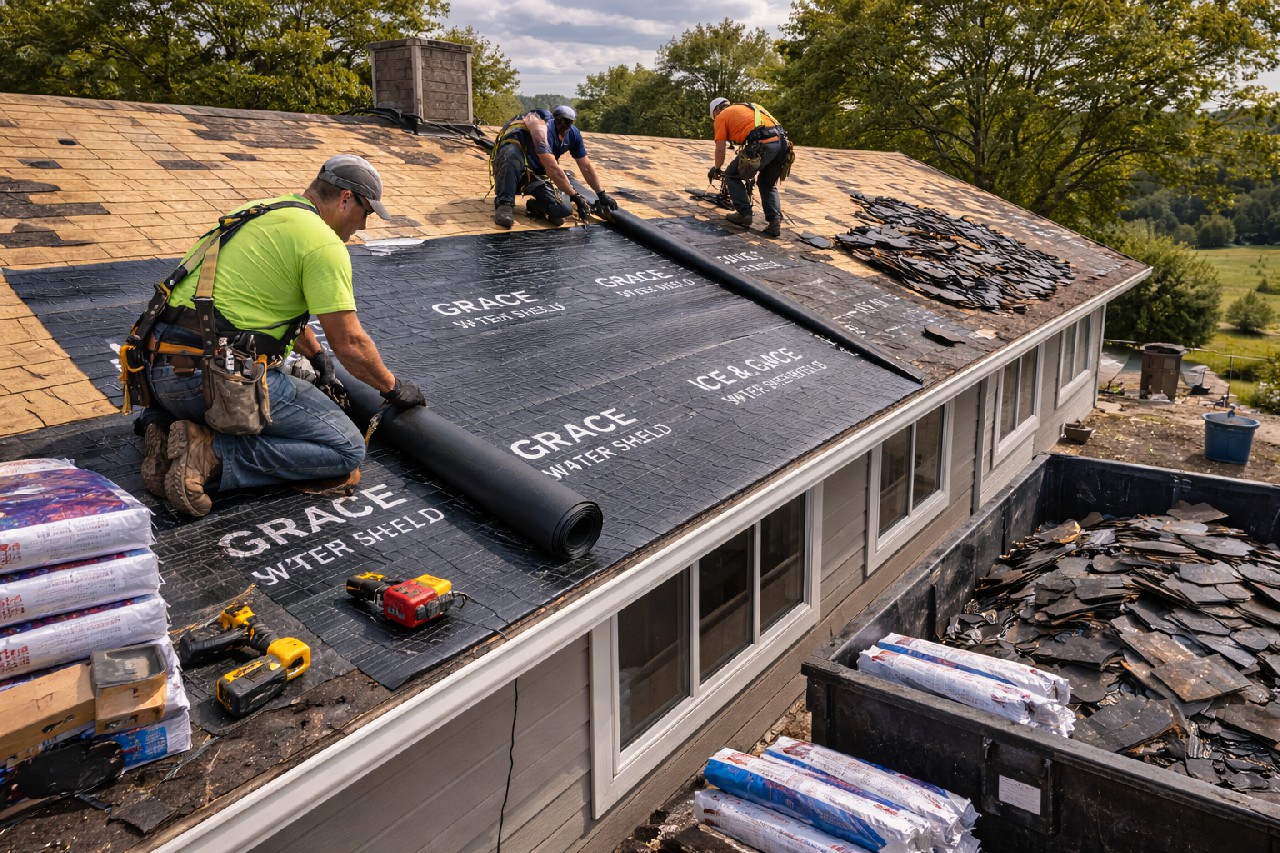
We stripped the damaged sections, reinforced the deck, and layered on impact-resistant shingles built for Midwest punishment. Six months later, his roof laughs at storms. Your turn to inspect before the next one hits.
Final Words
Stick to this checklist twice a year. Catch issues before they snowball into thousands in damage. Your Cincinnati home deserves that edge.
Spot any doubt during your walk-through? Don't gamble. Call in pros for a full Roof Inspection that uncovers hidden killers like rot or weak spots.
- Water stains spreading on ceilings?
- Granules clogging your gutters?
- Missing shingles after wind?
These scream "act now." Grab your phone. Schedule that inspection today and sleep sound through the next storm.
People Also Ask
How often should homeowners in Cincinnati inspect their roofs?
Cincinnati's variable weather, including heavy rain, snow, and hail, recommends roof inspections at least twice a year—once in spring and once in fall. After major storms, perform an immediate check to catch issues early. Regular inspections can prevent costly repairs by identifying wear from local humidity and temperature swings.
What are the most common signs of roof damage in Cincinnati homes?
Look for missing or curling shingles, granule loss in gutters, and dark streaks from algae due to high humidity. Interior signs include water stains on ceilings or walls and musty attic odors from leaks. Cincinnati's freeze-thaw cycles often cause ice dams, leading to visible ice buildup or interior dripping.
Can I perform a DIY roof inspection safely in Cincinnati?
Yes, start with a ground-level walkaround and attic check using basic tools like binoculars and a flashlight, but avoid climbing steep roofs without proper safety gear. Cincinnati's older homes in areas like Hyde Park may have complex roofs best left to pros. If you spot issues like damaged flashing, call a local roofer immediately.
What should I check for ice dams on my Cincinnati roof?
Inspect for large icicles along eaves and ice bulges on roof edges, common after heavy snow and thaws in Cincinnati winters. Check gutters for backup and attic for wet insulation or ceiling stains from meltwater infiltration. Proper ventilation and insulation prevent ice dams; professional removal is safest during active formation.
When is it time to hire a professional roofer in Cincinnati for an inspection?
Hire a pro if your roof is over 20 years old, shows multiple damage signs, or after severe storms like hail events common here. DIY has limits on steep pitches or multi-story homes prevalent in Cincinnati neighborhoods. Certified local roofers provide detailed reports and insurance claims support for weather-related issues.

Cincinnati Roofing offers extensive experience in residential and commercial roofing services throughout the Greater Cincinnati area. Their team specializes in repairs, replacements, and installations designed for local weather challenges. Focused on Cincinnati homeowners and businesses, they provide dependable craftsmanship.
Need Roofing?
Fast roof repairs and replacements deliver leak-proof protection and weather resilience for homes in Cincinnati, OH and nearby areas (45202, 45206, 45208, 45219, 45220).
Get Roof Estimate